
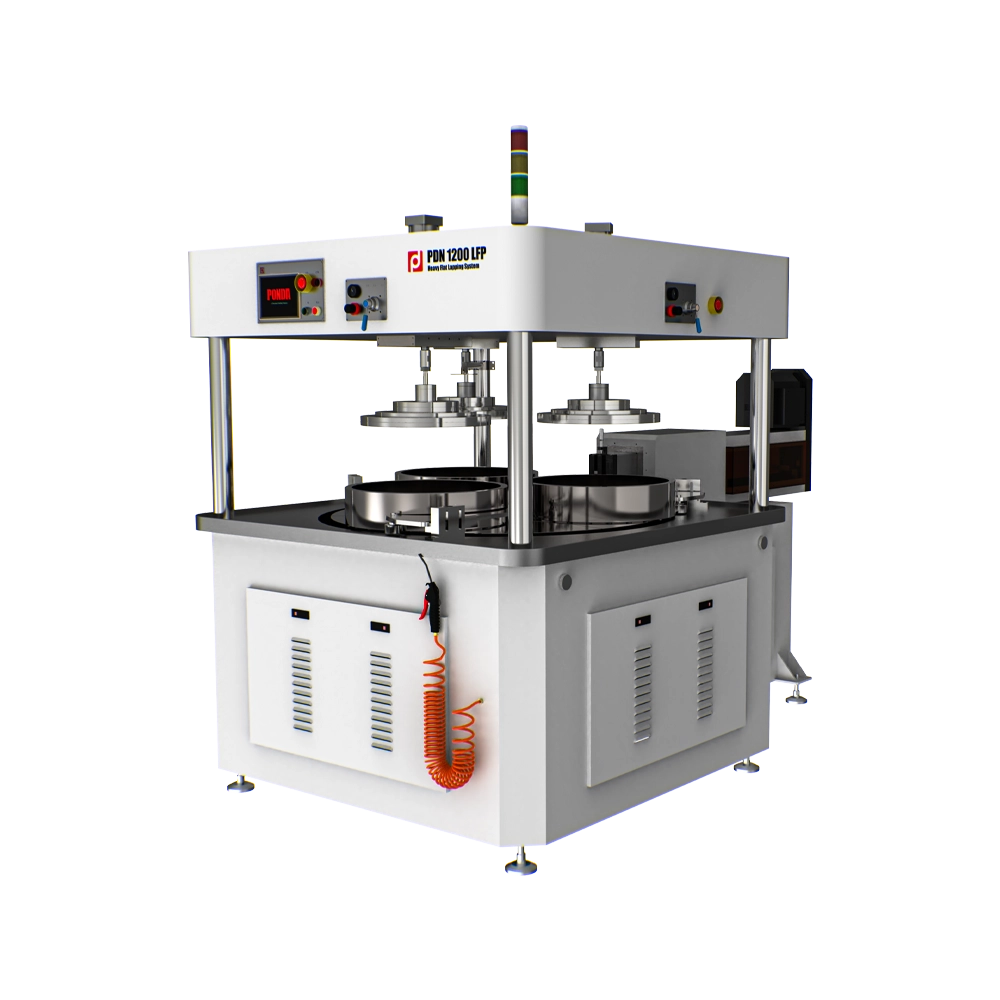
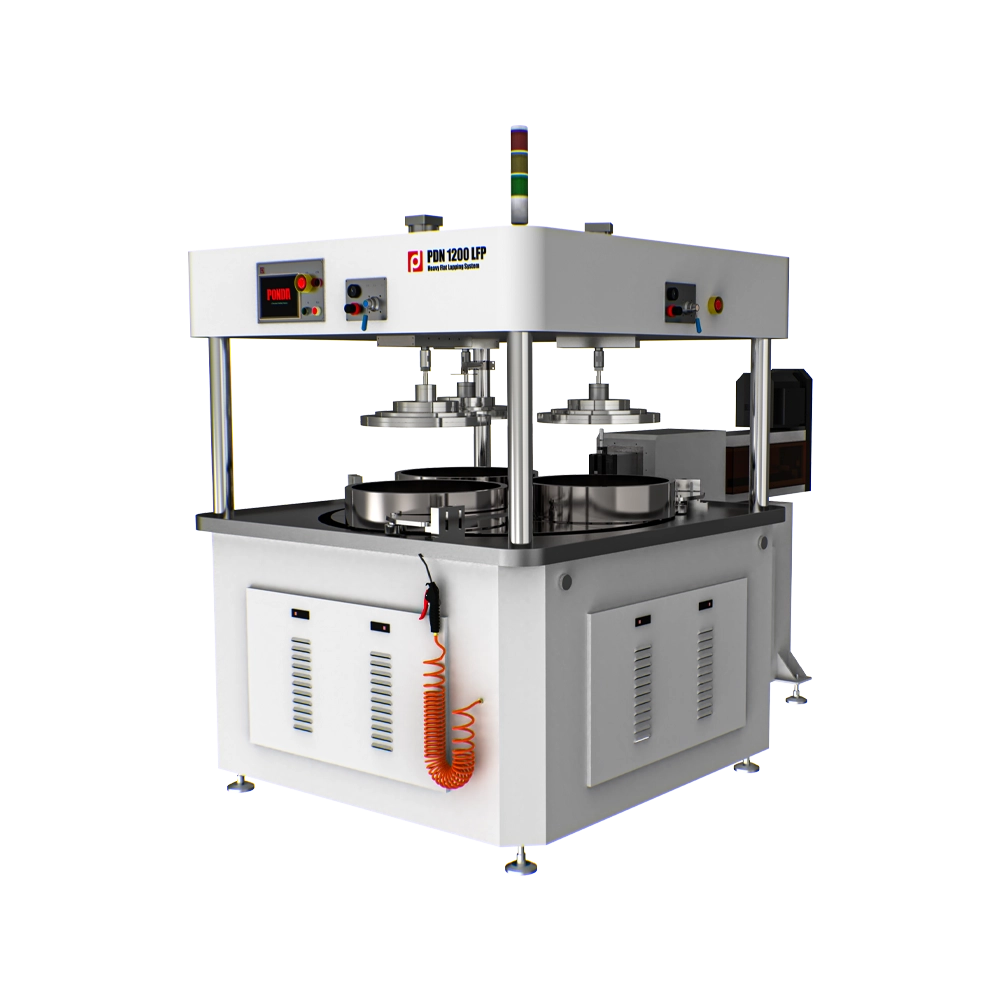
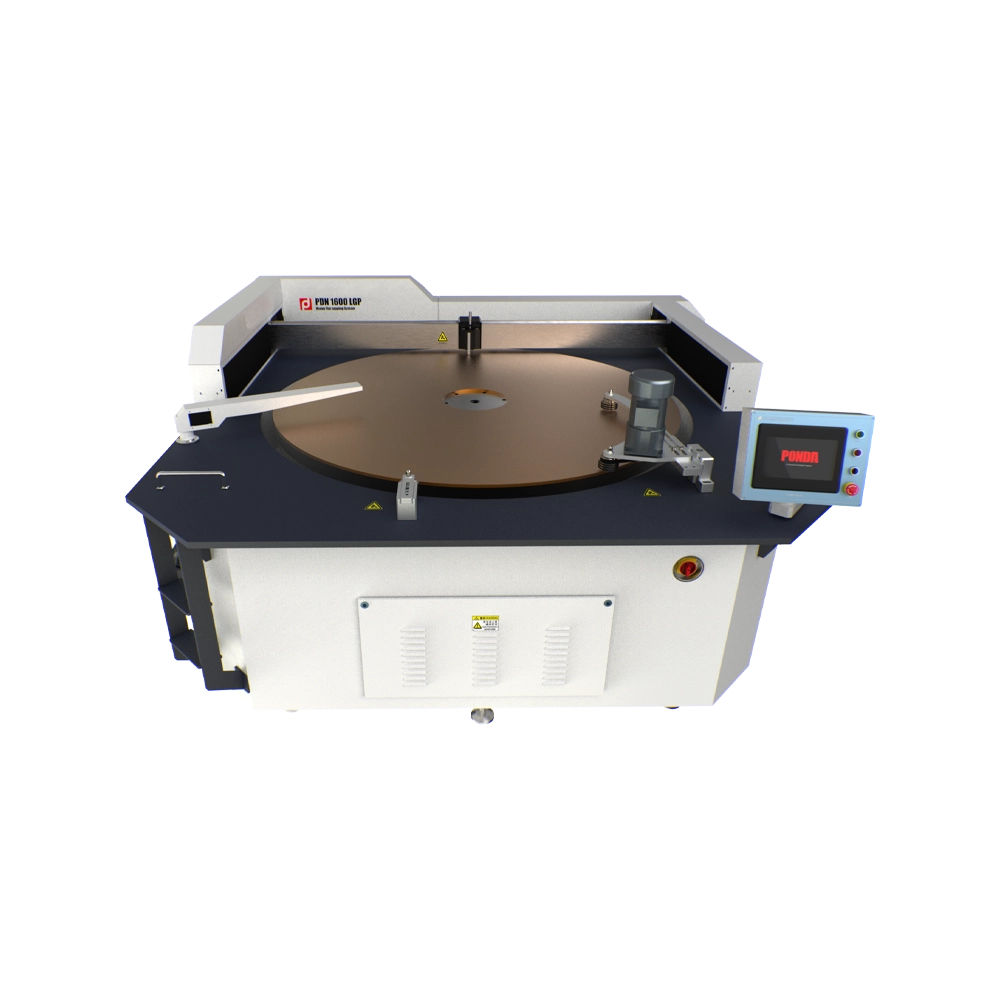
| Machine Model | Unit | PDN 12003 LFP | PDN 16001 LGP | PDN 20001 LGP |
|---|---|---|---|---|
| Lapping/Polishing Disc Diameter | mm | 1200 | 1600 | 2000 |
| Max. Diameter of Workpiece | mm | 525 | ≤ 1200 | ≤ 1500 |
| Number of Workstations (Standard) | mm | 3 | 1 | |
| Diameter of Conditioning Ring | mm | 565 | customized | |
| Disc Rotation Rate | rpm | 0 – 60 | 0 – 50 | |
| Platen Rotation Rate | rpm | 0 – 30 | 0 – 20 | |
| Platen Oscillating Stroke (Twin Platens) | mm | 50 | 22π | 26π |
| Disc Turning System (DTS) Feed Rate | mm/min | 10 – 120 | ||
| Disc Turning System (DTS) Travel | mm | 710 | 900 | 1010 |
| Main Motor | kVA | 11 | 17 | 22 |
| Total Weight | kgf | 3500 | 4300 | 5200 |
| Dimension (W×D×H) (With DTS) | mm | 1620×2200×1880 | 2530×2580×1920 | 2980×3120×2120 |
 |  | |||
1. Disc Temperature Control System
Temperature Control System (DSTC) is designed to monitor and manage the temperature of the disc surface, on the touch screen. Learn More
2. Disc Turning System (DTS) (Optional)
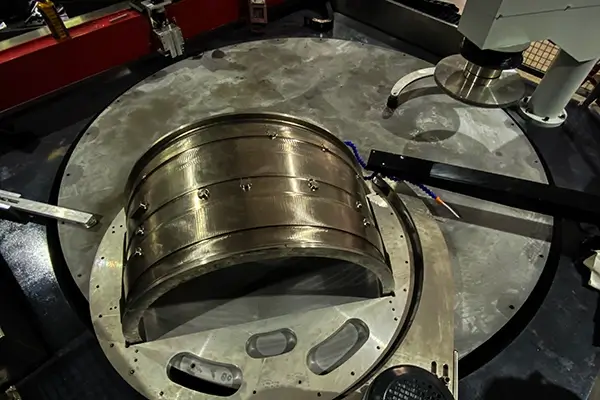
The Disc Turning System (DTS), also called Facing & Grooving System (FGS), is commonly implemented in lapping models to linearly trim along the abrasive layer of lapping disc with a diamond bit. This is done to restore the flatness of the abrasive layer to its original condition. Learn More
3. Universal Platen
During operation, a pneumatic cylinder applies a consistent vertical force to the platen spindle. At the same time, the cylinder shaft is driven to rotate, allowing the workpiece to undergo finer cross-grinding, resulting in improved precision. Learn More
4. Oscillating Platen (Optional)
The oscillating platen (the process) facilitates a sequential, spiraling, cross-path processing route for the workpiece, resulting in exceptionally good flatness. Learn More
5. Machine Housing (Optional)
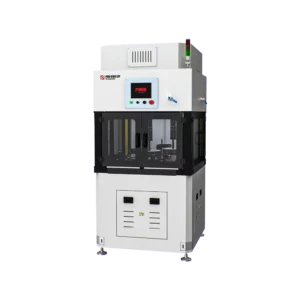 Flat lapping machine with protective casingIn a high-cleanliness environment, the Dust Proof Housing isolates the internal environment from the external surroundings, thereby protecting both the processing environment and the facility environment. Under this protection, it effectively prevents particles generated during facing and grooving or external dust particles from entering the polishing center and scratching the workpiece.
To address the issue of slury evaporation and potential contamination caused by rising temperatures during processing, the housing ceiling is equipped with an exhaust vent, which can be connected to the facility’s exhaust system.
6. Compatible with Both Lapping and Chemical Mechanical Polishing
Under the same equipment framework, both lapping and chemical mechanical polishing processes can be utilized. If there is a need to switch processing methods later, this can be achieved by replacing the abrasive disc and slurry to transition between lapping and chemical mechanical polishing processes. However, even if lapping and polishing equipment share the same framework, there are still slight differences in configuration. The most straightforward way to distinguish them is by examining the types of slurries and discs used, as well as checking whether the equipment is equipped with a Disc Turning System (DTS).
In common practice, polishing is essentially fine lapping or fine grinding, usually referred to as Mechanical Polishing. Hereby, we employ a Chemical-Mechanical Polishing method instead of relying solely on mechanical polishing, achieving a scratch-free, ultra-nanoscale surface roughness.
Flat Lapping
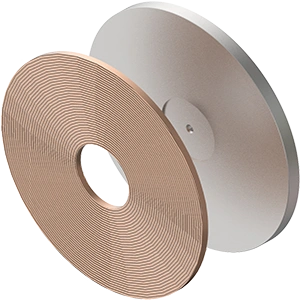
Flat lapping is a method used for achieving precise surface flattening. Essentially, this process is utilized to enhance the flatness and, in some instances, the smoothness of the item being worked on. The majority of lapping operations involve the use of a powder-slurry and a synthetic metal lapping plate. In specific scenarios, particularly hard materials, such as diamond, undergo dry lapping with abrasive powders. Less frequently, some processes might not use any powder or slurry at all, relying solely on the lapping plate.
When the hardness of the workpiece surpasses HRA 80, lapping can achieve a mirror-smooth surface. This is because the hard material partially neutralizes the abrasive’s effectiveness, leading to a fine removal of the workpiece’s surface that mimics the effect of polishing thus we call it lap-polishing.
Flat Polishing
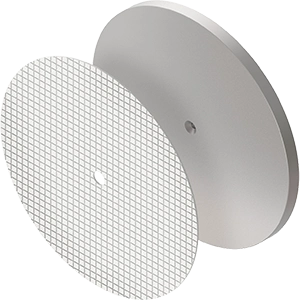
Flat polishing is a process designed to improve surface roughness. It operates similarly to lapping on the same equipment but differs in the consumables applied. Most polishing processes involve applying a very fine powder slurry to a polishing pad, whereas lapping typically uses coarser powders and a synthetic metal plate. Polishing slurries are categorized into neutral, acid, and alkaline based on the solution’s pH value.
Under microscopic examination, acid and alkaline slurries work by gradually corroding and softening the object’s surface layer, transforming it into a thin film. This characteristic helps the polishing pad and powder to effortlessly remove the layer, achieving an ultra-fine roughness level.